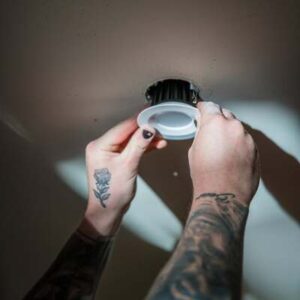
If your heat pump has started blowing less air, taking longer to warm the room, or giving off a musty smell, it usually is not random wear and tear. More often, it is a sign the system needs attention. Homeowners and landlords often ask how often service heat pump systems should be booked for, and the short answer is this – more regularly than many people think.
A heat pump works hard through Waikato summers and winters. Even when it still turns on and seems to be heating or cooling well enough, dust build-up, blocked filters, clogged coils and drainage issues can quietly drag down performance. That affects comfort, power use and, over time, the lifespan of the unit.
How often should you service a heat pump?
For most homes, a professional heat pump service once a year is the right baseline. That keeps the unit clean, efficient and safe to run through the seasons.
There are situations where once a year may not be enough. If the system runs daily, serves a busy family home, sits in a rental property, or is installed in a commercial space, servicing every six months can be the better option. The same applies if there are pets indoors, higher dust levels, or anyone in the property has asthma or allergies.
So when people ask how often service heat pump units should be arranged, the real answer is based on usage and environment. Light use in a clean home might get by with annual servicing. Heavy use or tougher conditions usually need more frequent checks.
What happens during a heat pump service?
A proper service is more than a quick wipe-over of the indoor unit. It should cover the parts that affect airflow, efficiency and reliability.
The indoor filters are cleaned, but that is only one part of the job. The technician should also inspect and clean the indoor coil, check the fan barrel, assess the outdoor unit, clear debris, inspect electrical connections, check the condensate drain, and test overall operation. If there are signs of wear, poor drainage or refrigerant-related issues, those can be picked up early before they turn into bigger repairs.
That matters because heat pumps often lose performance gradually. Many people do not notice the drop until the room takes much longer to heat, the power bill climbs, or the unit starts dripping or smelling off.
The difference between homeowner cleaning and professional servicing
There is a maintenance gap that catches a lot of people out. Cleaning the filters yourself is important, but it is not the same as servicing the system.
Filters should generally be checked every one to three months, depending on use. In a house with pets, renovations, or a lot of daily use, monthly checks make sense. Dirty filters restrict airflow and force the unit to work harder, which can increase running costs and reduce comfort.
But even well-maintained filters do not stop grime building up deeper in the system. Coils, drain trays, fan components and outdoor units still need professional attention. That is why annual servicing remains important even for homeowners who are diligent with routine cleaning.
Signs your heat pump needs servicing sooner
A calendar reminder is helpful, but it is not the only thing to go by. Some units need attention before their next planned service.
If the airflow feels weak, the unit smells musty, the indoor head starts dripping, the room is slower to heat or cool, or the outdoor unit sounds rougher than usual, it is worth getting it checked. Short cycling, unusual beeping, or a sudden rise in electricity use can also point to a problem.
Sometimes the issue is simple, like blocked filters or a dirty coil. Other times it is an early warning sign of drainage trouble, electrical wear or a fault developing in the system. Either way, leaving it too long usually does not save money.
Why regular servicing matters in Waikato homes
Waikato properties deal with a mix of damp mornings, cool winters, warm summers and plenty of seasonal pollen and dust. That combination is not ideal for heat pumps, especially when units are relied on heavily for both heating and cooling.
In rental properties, regular servicing is also tied closely to performance expectations. A heat pump that is technically running but struggling to heat the room properly is not doing its job well. For landlords, routine maintenance helps avoid complaints, reduce breakdown risk and support a healthier indoor environment.
For owner-occupied homes, the value is just as practical. A clean, properly serviced heat pump usually heats faster, cools more evenly and costs less to run than one that has been ignored for two or three years.
How often service heat pump systems in rentals and commercial spaces?
Rental homes and commercial premises often need a stricter servicing schedule because usage is less predictable and wear is usually higher.
For rentals, an annual professional service is a sensible minimum, especially before winter. If tenants run the system year-round, or if occupancy changes regularly, six-monthly servicing is worth considering. It helps keep the unit reliable and reduces the chance of emergency callouts when the weather turns.
In offices, retail sites, workshops and other commercial spaces, heat pumps may operate for long hours and in dustier conditions. These systems often benefit from servicing every six months, sometimes more depending on the environment. Waiting for a problem to show up can mean discomfort for staff and customers, plus avoidable downtime.
Does skipping service really cost more?
In many cases, yes. A neglected heat pump can still run, but not efficiently. Restricted airflow and dirty coils mean it has to work harder to deliver the same result. That puts extra strain on components and can shorten the unit’s useful life.
The bigger cost issue is that small maintenance problems tend to become repair problems. A blocked drain can turn into internal water leaks. Dust build-up can contribute to fan issues. Electrical connections that are left unchecked can create reliability and safety concerns.
Regular servicing is usually a lower, more predictable cost than breakdown repairs or premature replacement. It is the same logic as servicing a vehicle – routine attention helps avoid bigger bills later.
When is the best time to book a heat pump service?
The best time is before peak demand. For most households, that means autumn is ideal before winter heating starts, or spring before summer cooling demand picks up.
Booking early also gives you more flexibility if the technician finds something that needs repair. If you wait until the first cold snap or the middle of a hot spell, service bookings can be tighter and a minor issue may become much more inconvenient.
If you cannot remember the last time your unit was professionally serviced, that is usually reason enough to arrange one now rather than waiting for the next season change.
A simple servicing rule to follow
If you want a straightforward answer to how often service heat pump equipment should be maintained, use this rule. Clean the filters every one to three months, and book a professional service every 12 months. Move to six-monthly servicing if the unit gets heavy use, the property is a rental or commercial site, or indoor air quality is a concern.
That schedule is not about over-servicing. It is about keeping the system efficient, reliable and less likely to let you down when you need it most.
For Hamilton and wider Waikato property owners, a heat pump is not a set-and-forget appliance. It is part of keeping the home or building comfortable, compliant and cost-effective to run. If you want it to perform properly year after year, routine servicing is part of the job. For practical advice or to book a professional check, 2E Electrical can help at https://2eelectrical.co.nz.